History
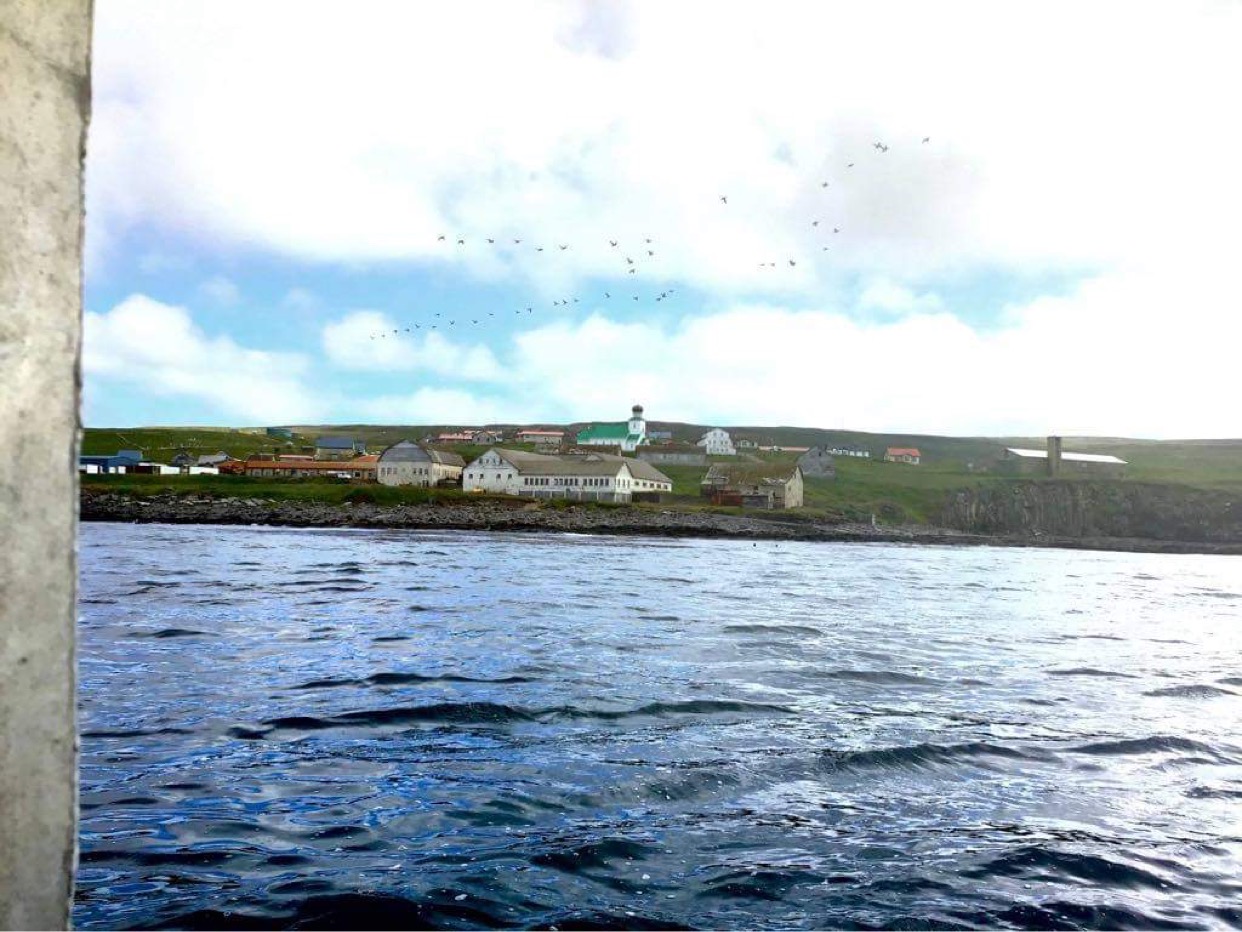
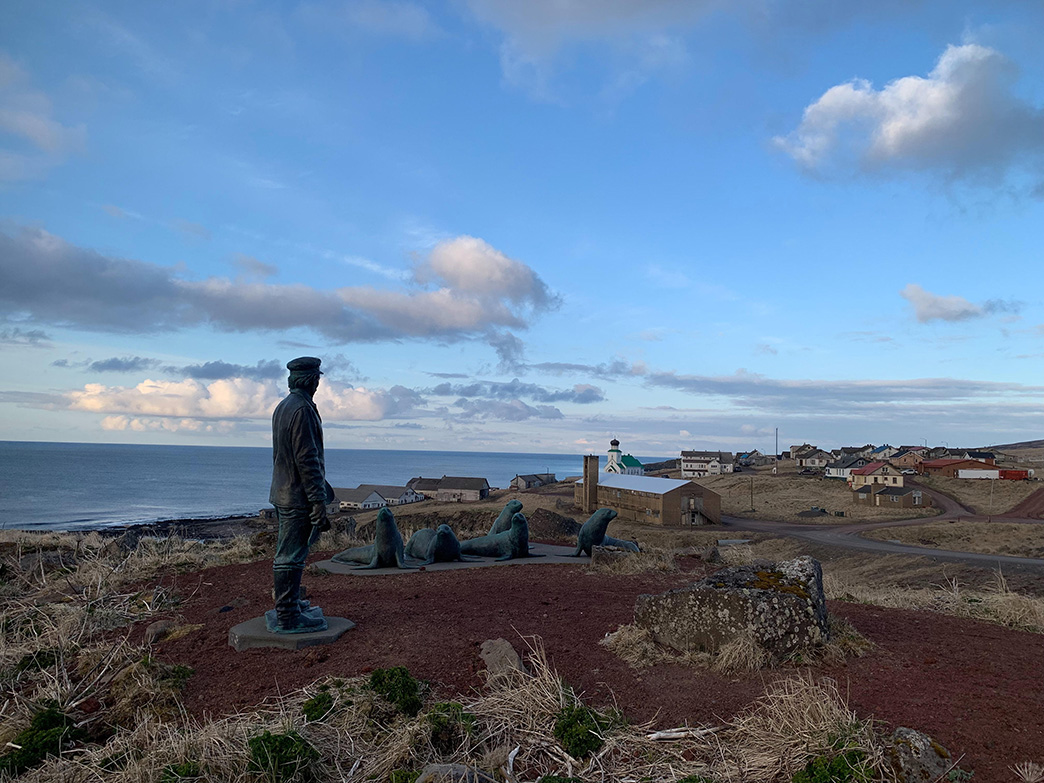
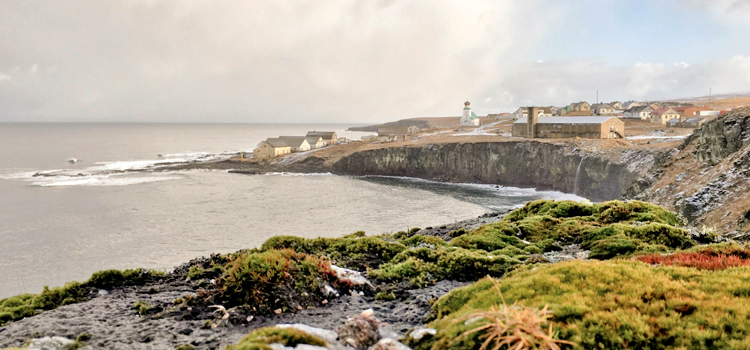
In 1786, a Russian fur trader, Gavriil Pribylov, came across the island while looking for the northern fur seal breeding grounds and named it St. George after his ship. The Russian-American Company enslaved Unangax̂ hunters from the Aleutians and relocated them to St. George and St. Paul Islands to harvest fur seals.
The United States purchased Alaska from Russia in 1867 for $7.2 million. Between 1870 and 1910, the U.S. government leased the Pribilof Islands to private companies. Those companies took up where the Russians left off, basically enslaving the Pribilovians by providing minimal housing, food and medical care to the Unangax̂ in exchange for work in the fur seal plant. In 1910, the U.S. Bureau of Fisheries took control of the islands and continued the substandard treatment. The Unangax̂ of St. George gained control of their livelihood only when the federal government pulled out of the community in the early 1980s. During the years of the fur seal harvest, the United States earned approximately $160 million from the sale of the skins.
During World War II, residents were relocated to Funter Bay in Southeast Alaska as part of the area-wide forced evacuation, where they were interned in an abandoned cannery in an extremely remote setting. If it wasn’t for the Tlingit Indians from Angoon, they might have starved. As it was, 10 percent of the population died during the years of evacuation. Starting in 1943, and until the war’s end, the men were transported back to St. George in the spring to resume the fur seal hunts, and then back to Funter Bay.
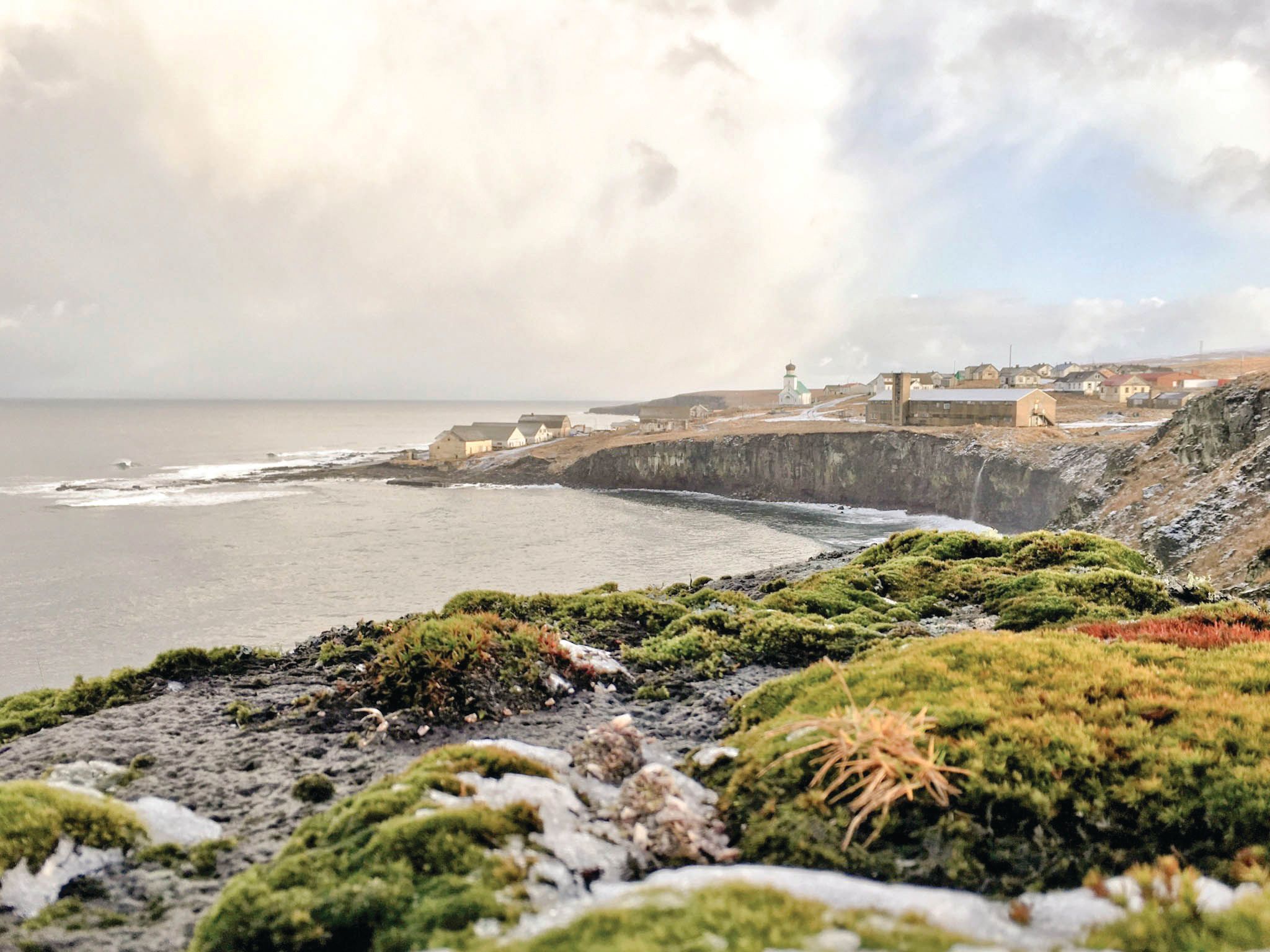
In 1983, the U.S. government ended the commercial seal harvest and withdrew from the island. That year, the City of St. George was incorporated. Today, an Alaska Native Claims Settlement Act (ANCSA) village corporation, the St. George Tanaq Village Corporation, and a federally recognized tribe, the St. George Tribal Council, provide services to the community’s 102 residents.